
Paul Allen lived an extraordinary life dedicated to making an impact. His careful, deliberate estate plan ensured his legacy could carry his work forward — offering business families a powerful example of how wealth, ownership, and purpose can be intentionally structured to outlast the founder. CMG shares this story to celebrate the care, clarity, and intention behind Paul’s planning — and the lasting example it offers for families thinking about the values they want to carry forward.
At 22 years old, Paul co-founded Microsoft with his childhood friend, Bill Gates. Yet becoming a pioneer of the personal computer revolution was only the first of a long list of diverse and monumental achievements for Paul. After receiving a Hodgkin lymphoma diagnosis at age 29, he decided to leave day-to-day operations at Microsoft while still retaining a seat on the board and a significant ownership stake. Once his cancer was in remission, he began a lifelong journey to pursue his interests: “I didn’t know what I wanted to do next; I just knew that I wanted to enjoy life.”

From ownership to stewardship
Paul spent his life founding, funding, and supporting ventures across an astonishing range of fields — one could easily mistake his portfolio of endeavours for a list of “dream jobs”. His passion, curiosity, and drive to make a difference, paired with the resources to do so, left a lasting mark in numerous fields: from science and technology to sports and the arts. For enterprising families, this evolution also illustrates an important shift: ownership is only the beginning. The bigger question is how assets are stewarded, governed, and ultimately directed toward a lasting purpose.
CMG Partner Bob Gould adds: “Spending time defining your living legacy — and actively living it — increases the likelihood that future stewards will understand, learn from, and support that vision after you are gone.”
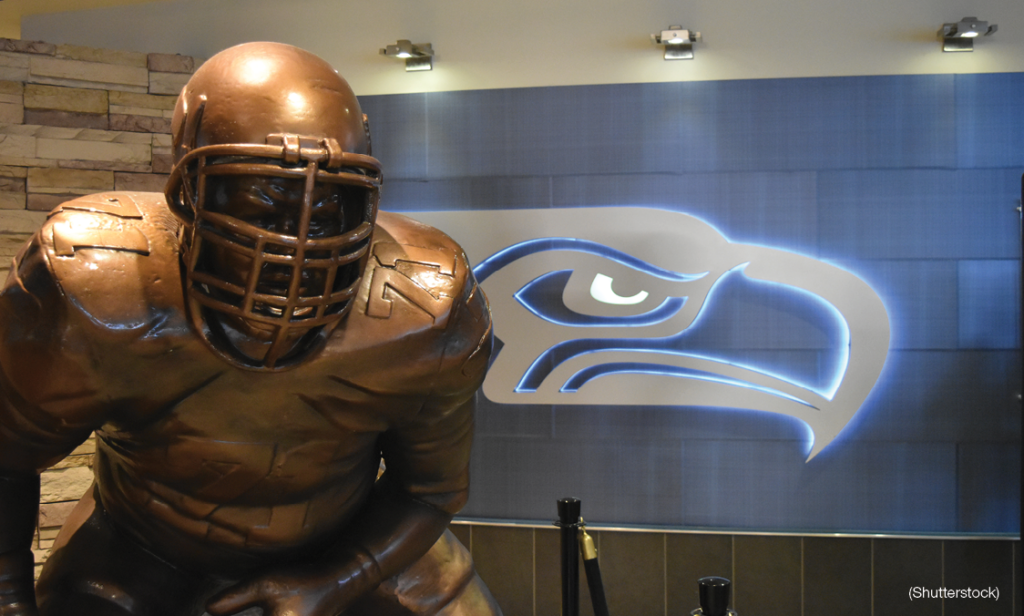
Paul funded aviation and aerospace exploration, deep-sea archaeological missions, and countless fascinating ventures on land between the two. He became the youngest owner in major league sports history when he bought the NBA’s Portland Trail Blazers at 35, and later purchased the NFL’s Seattle Seahawks to save the team from leaving for Los Angeles. He then oversaw the most successful years in Seahawks franchise history.
On top of being a beloved sports executive, he was a film producer, a museum founder, an explorer, an author; the list goes on. He was also one of the world’s most significant philanthropists — and remains so to this day.
Transforming assets into enduring purpose
Paul was diagnosed with non-Hodgkin lymphoma in 2009. He successfully beat cancer once again, but it later returned, and he died on October 15, 2018, from complications.
Paul invested billions of dollars into science, education, wildlife and environmental conservation, the arts, healthcare, and community services throughout his lifetime. He established numerous institutes for bioscience research and innovation, including the Allen Institute for Brain Science, the Allen Institute for Immunology, the Allen Institute for Artificial Intelligence, and more.
Jody Allen’s role as a trusted family member
When he died, Paul had a personal net worth of over $20 billion. His estate included his founder’s stock in Microsoft, real estate, venture capital investments, intellectual property interests, and his sports teams. He had never married and had no children. What he did have was a robust estate plan for how his large and complex assets were to be managed. In that sense, his estate resembled the kind of multifaceted enterprise many business families must eventually plan for: operating assets, investment holdings, passion projects, philanthropic commitments, and deeply personal legacy goals.
The majority of Paul’s assets were placed in the Paul G. Allen Trust, with his sister Jody Allen named executor and trustee of the estate. Jody, who had been involved alongside Paul in much of his work after Microsoft, became more than an administrator of his estate; she became the trusted family steward responsible for carrying his intentions forward. As she stated: “I have been given the great responsibility to steward Paul’s wealth in service of his vision for the future. I will do all that I can to ensure that Paul’s vision is realized, not just for years, but for generations.” For family enterprises, this highlights the importance of choosing stewards who understand not only the assets, but the values and vision behind them.
From Bob’s perspective: “If you do not plan your legacy, someone else may end up shaping it for you. The more thoughtful and intentional the plan, the better positioned it is to reflect your wishes — while also allowing you to see its impact during your lifetime.”

Transferring values, not just wealth
Paul’s estate documents instruct that many of his holdings, including his sports teams, are to be systematically sold, with all estate proceeds going to his philanthropic goals. In 2025, the estate formally began the process of selling the Portland Trail Blazers. In February 2026, the process began for this year’s Super Bowl Champions. On July 11, it was reported that the Khosla family would be purchasing the Seahawks for $9.612 billion, an NFL franchise record. These sales show the estate plan in action: rather than preserving every asset for sentimental or symbolic reasons, the trust converts complex, high-value holdings into capital that can serve Paul’s long-term philanthropic mission.
Bob emphasizes that families can distinguish between preserving individual assets and preserving the purpose behind their wealth:
“Families do not need to hold on to every asset forever to preserve a lasting legacy. Individual assets may be sold, transferred, or transformed over time, but the purpose behind the wealth can endure across generations when guided by clear values and thoughtful stewardship.”
Paul designed his estate plan to keep doing the work he dedicated his life to, even once he was gone. He turned his wealth and assets into a long-term philanthropic legacy. His thorough and thoughtful estate plan can continue to accomplish his mission to support his wide variety of interests and priorities. Creating the Paul G. Allen Trust and Allen Family Philanthropies (his foundation, formerly Paul G. Allen Family Foundation) allowed him to remain intentional about the use of his wealth even after his passing.
For business families, the lesson is clear: legacy requires more than successful wealth transfer. It requires structure, clarity, trusted stewardship, and a shared understanding of the values the wealth is meant to serve. Paul’s goal was not merely to transfer his wealth or property, but to transfer his values and his vision for the future. Paul Allen spent his life making an impact. And by crafting a legacy engineered to outlast him, he continues to make one.
References/further reading:
- Idea Man: A Memoir by the Cofounder of Microsoft
- Seattle Times: Paul Allen’s sister Jody named executor, trustee of late billionaire’s estate
- ESPN: Paul Allen’s estate begins selling Super Bowl champ Seahawks
- PaulAllen.com: Continuing Paul Allen’s Legacy
Download and read this article as a PDF here.
Jessika McQueen is a freelance writer from Toronto.